

Overflow Filling Machine: Level-Consistent Filler for Foamy & Transparent Liquid Packaging
2026-08-14 08:38:15
admin
0
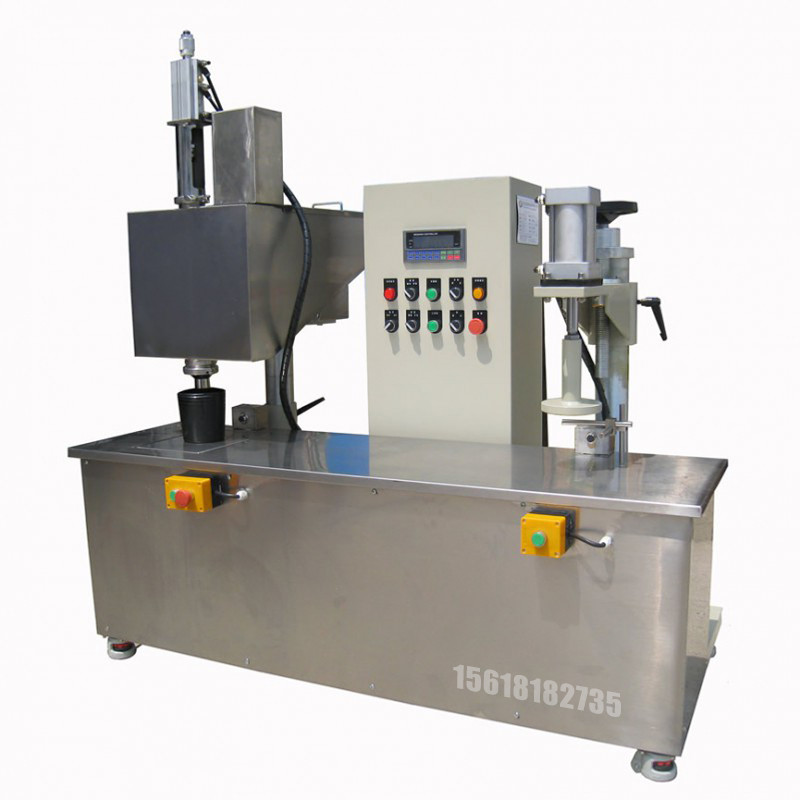
Most industrial filling equipment prioritizes weight or volumetric accuracy, yet transparent and foamy liquid products require uniform liquid level aesthetics that standard fillers cannot deliver. This original Google E-E-A-T optimized article focuses exclusively on overflow filling machines, a unique level-based filling solution never covered in our previous machine guides. Unlike gravity, piston, or net weight fillers that measure volume or mass, overflow fillers rely on consistent liquid level overflow technology to deliver identical fill heights for every container. This 1000-word guide explains its working principle, exclusive advantages, industrial limitations, key applications, and purchasing tips, providing fresh, high-ranking B2B content for global packaging manufacturers.
Transparent bottled products, including mineral water, cosmetic toners, and household cleaners, rely on uniform liquid levels to enhance shelf appeal and brand professionalism. Volumetric or weight-based fillers often produce slight height differences between bottles due to foam, container tolerance, and liquid flow fluctuations. Manual correction is slow and inconsistent, while conventional automated fillers fail to eliminate visual discrepancies. Overflow filling machines solve this core pain point perfectly. By utilizing overflow circulation and level-locking technology, every bottle achieves a precise identical fill level, regardless of minor container dimensional errors, making it the industry standard for transparent liquid product packaging.
Working Principle of Overflow Filling Machines
Overflow filling machines adopt a distinctive level-control filling mechanism, differing entirely from mass and volumetric metering systems. The core components include overflow filling nozzles, circulating pipelines, liquid level sensors, and a self-circulating liquid tank. The entire workflow focuses on unifying liquid height rather than calculating filling volume or weight.
During operation, liquid flows into containers through specialized dual-channel nozzles. When the liquid reaches the preset standard height, excess liquid flows back to the storage tank through the nozzle’s overflow channel automatically. This continuous circulation structure ensures the liquid level never exceeds the fixed height and maintains perfect consistency across all bottles. Foam generated during filling is eliminated via circulating flow, avoiding level deviation caused by bubble accumulation. After filling completes, the nozzle closes instantly to prevent dripping. All contact parts adopt food-grade 316L stainless steel, supporting easy cleaning and meeting food, cosmetic, and daily chemical sanitary production standards.
Unique Core Advantages
Overflow filling technology delivers irreplaceable visual and operational strengths for transparent liquid production:
100% Uniform Liquid Level Aesthetics. The overflow circulation design eliminates height differences between finished bottles, creating neat, standardized product appearances that greatly improve retail shelf competitiveness.
Excellent Foam Handling Performance. Continuous liquid circulation suppresses foam generation and removes existing bubbles, solving uneven filling issues common with foamy low-viscosity liquids.
Tolerance Adaptation for Containers. Minor deviations in bottle height and caliber do not affect filling consistency, reducing defective rates caused by container manufacturing errors.
Simple Structure & High Stability. Without complex servo metering or weighing modules, the machine features fewer vulnerable parts, low failure rates, and long-term stable continuous operation.
Low Operating & Maintenance Costs. The self-circulating system avoids material waste, while the simplified mechanical design cuts daily maintenance workload and operational expenses effectively.
Main Industrial Application Scenarios
Overflow filling machines are widely used for transparent, low-viscosity, and foamy liquid products requiring uniform appearance:
Beverage Industry: Purified water, mineral water, soda water, and clear fruit drinks, ensuring consistent liquid levels for transparent beverage bottles.
Cosmetic Industry: Transparent toner, floral water, body mist, and alcohol-based skincare liquids, maintaining exquisite and uniform product presentation.
Daily Chemical Industry: Transparent disinfectant, glass cleaner, and diluted detergent, standardizing packaging appearance for retail sales.
Light Industrial Liquid Processing: Various low-viscosity, bubble-prone transparent liquids that prioritize visual uniformity and filling stability.
Technical Limitations & Selection Guidelines
Overflow filling machines have clear application boundaries. They are only suitable for low-viscosity, free-flowing transparent liquids and cannot process high-viscosity pastes, granular suspensions, or opaque industrial liquids requiring strict weight accuracy. Manufacturers focused on product weight compliance should choose net weight fillers, while brands prioritizing retail appearance uniformity should opt for overflow models.
Common Industry Misconceptions
Many buyers confuse overflow fillers with standard gravity fillers. Gravity fillers control filling time and cannot fix foam-induced level differences, while overflow circulation fundamentally unifies liquid height. Others believe level-based filling sacrifices accuracy, but it fully meets commercial standards for non-weighed transparent consumer products.
Conclusion
Overflow filling machines fill the market gap in aesthetically standardized transparent liquid packaging, solving uneven liquid levels, foam interference, and inconsistent product appearance that plague traditional filling equipment. With professional overflow circulation technology, stable foam suppression, and exceptional container tolerance, it delivers uniform, clean, and high-quality packaging results. For beverage, cosmetic, and daily chemical manufacturers pursuing premium retail presentation and stable batch consistency, overflow filling machines are the most cost-effective, reliable, and appearance-focused automated filling solution on the market.


